

Our fields they are clear
Autumn in Ixenford, fig glut, sea peril, a wonderful book and a Village Newsletter
Our barns they are full, our fields they are clear,
Good health to our master and friends.
We’ll make no more to-do but we’ll plough and we’ll sow
And prepare for the very next year.
~ Two Young Brethren (Copper Family version)
Hi, how are you doing?
Welcome to what was very briefly the 11th fastest-rising Substack in the ‘Climate and Environment’ section – and could be again, who knows? If you’re new here and would like a quick tour of the village (and the newsletter), start by reading this post here.
Once again, this post is too long for email (sorry!) so if that’s how you’re reading it you may need to click through to the website or read it on the app.
Witness Marks goes out on the 15th of each month (or thereabouts); in between times you can find me chatting away in Substack Notes. The first part is always free, while the second part, the Village Newsletter, sits below a paywall. A subscription costs £3.50 a month; however, if that feels like a stretch, send me a private message. No questions asked.

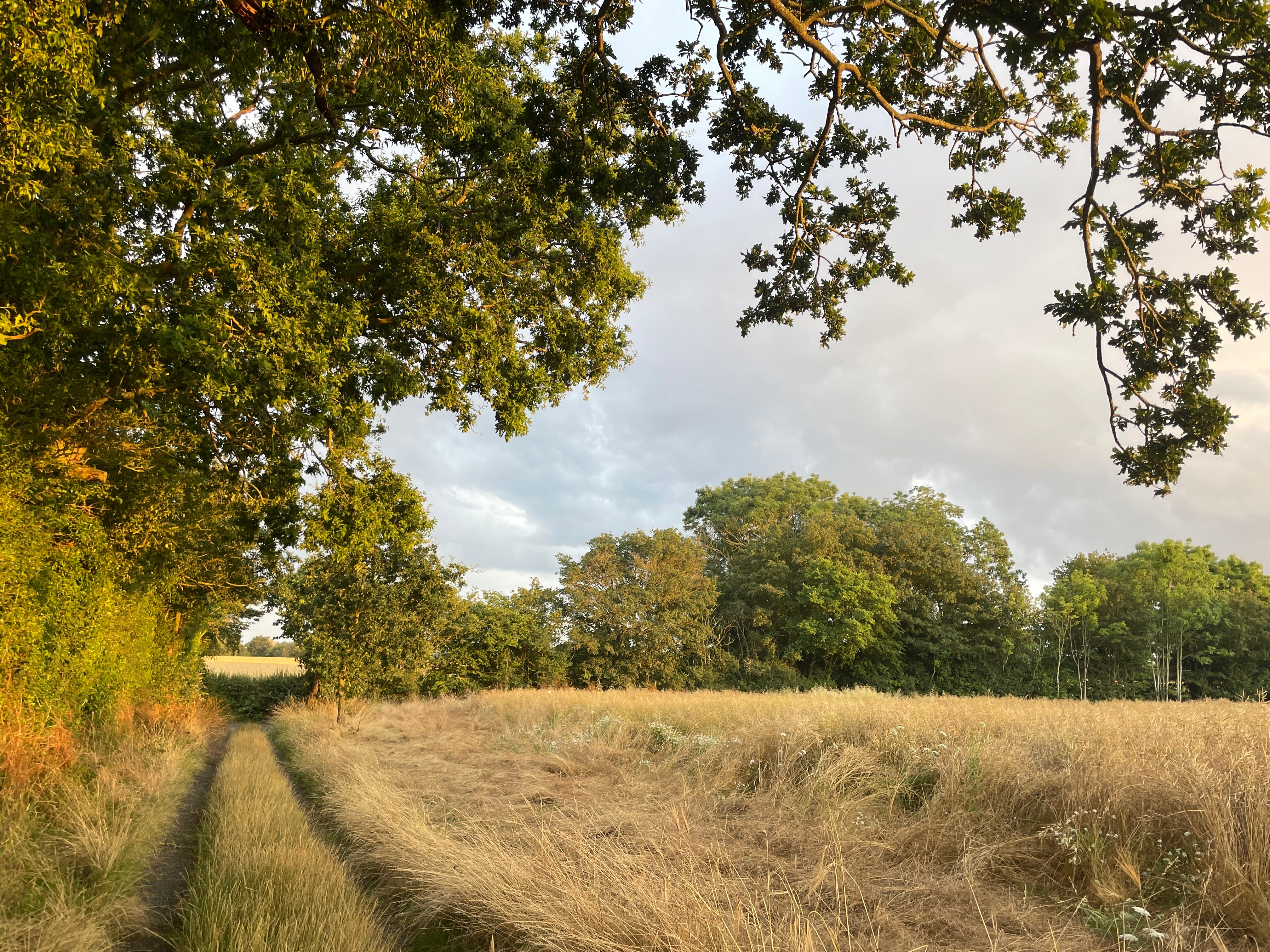
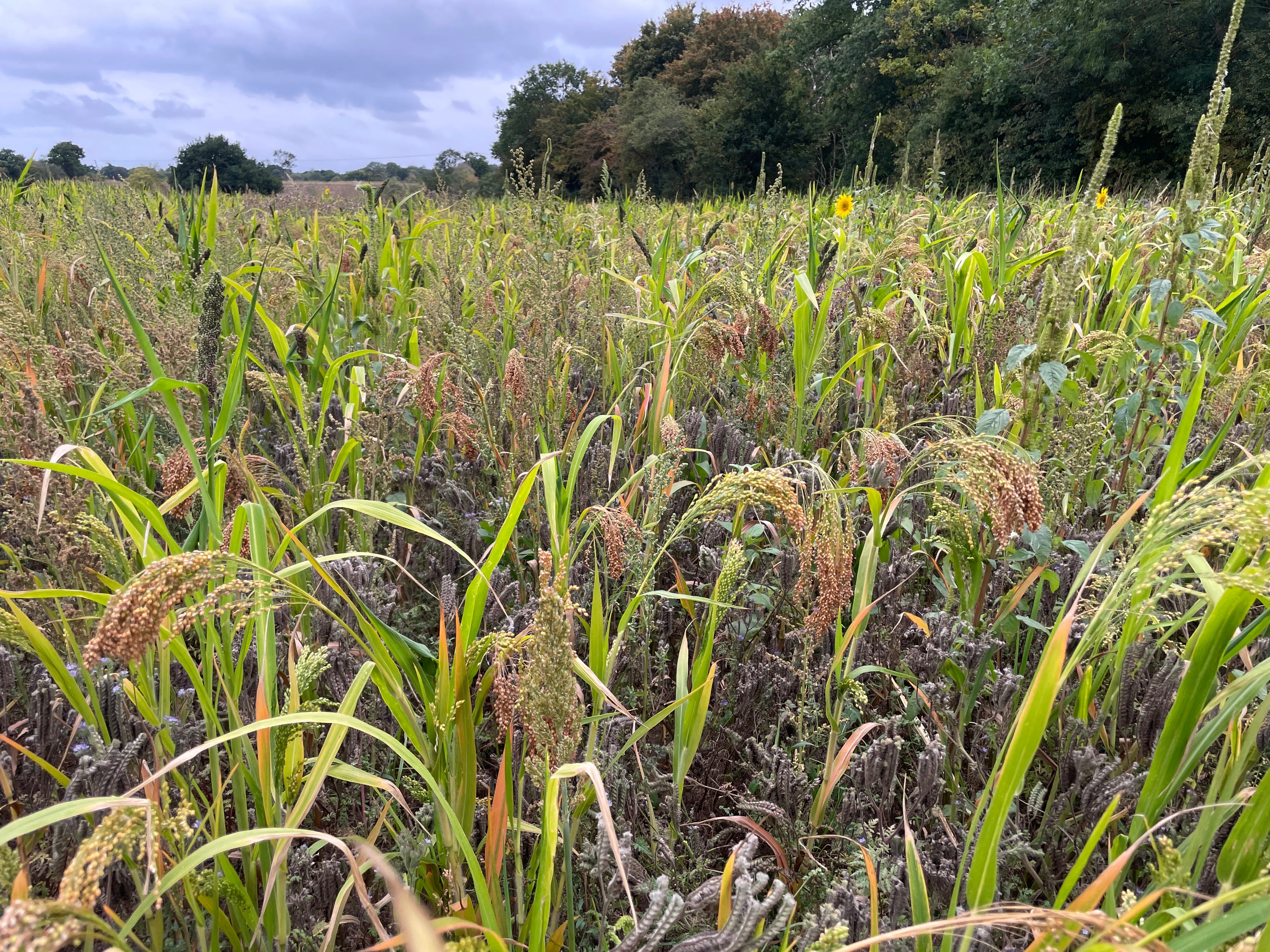
I love the feeling of change that September brings. Many of our fields have now been ploughed and instead of the rich, gold embroidery of their crops they show their clean, brown underskirts; others have had forage rape and turnips drilled directly into the stubble, something I’m inordinately grateful for on my morning runs, as the going is much easier than on freshly turned earth. The first batches of pheasant poults have been released, ready for the shooting season to start on October 1st; they run mindlessly around the lanes and field margins in small gangs, trying as best they can to grasp such new phenomena as dog-walkers, ditches – and cars. Small birds, now out of moult, are beginning to flock together in the fruit- and berry-laden hedgerows, as they will until the breeding season begins again next spring; they shake out and up into the wind like chaff blown from the cover crops, too, which here are full of wildlife-friendly delights like quinoa, phacelia, kale and sunflowers, now starting to set seed.
Although many wildflowers still straggle on in bloom here and there – albeit without spring’s vigour – yellow leaves now line the edges of our lanes: it’s still a little early for true autumn leaf-fall, but the recent dry conditions and windy weather have meant that some trees, especially silver birches and poplars, have been shedding theirs early. We’ve had rain, though – at last! – and the woods and copses are exhaling in relief.
The days following rain are a good time to look for fungi. I wish I was knowledgeable enough to forage for edible mushrooms, as some of my neighbours do. The only one I’d be confident eating is the giant puffball, I think. Nothing else in the world looks like it.

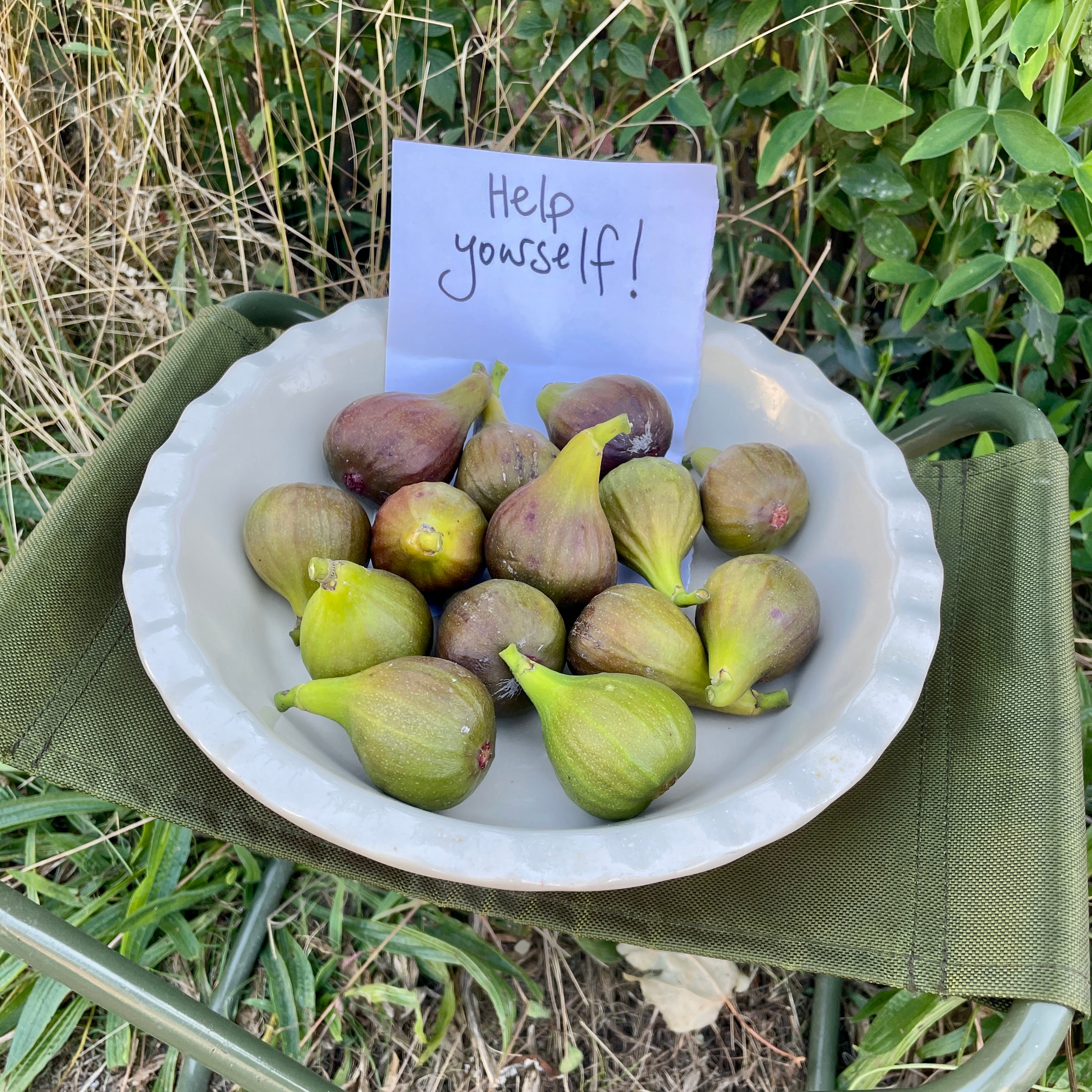
This year’s fig harvest has been absolutely astonishing and despite eating them every day, I’ve ended up putting bowl after bowlful on the verge with a sign saying ‘Help yourself’ because they just – keep – coming. Even the wasps and blackbirds can’t keep up! I try not to think too hard about the fact that my tree grows just downstream from my septic tank. Some things are best ignored, especially as – for me anyway – figs already hover on the border between delicious and disgusting. Something to do with the texture, I think. And the tiny dead wasps.
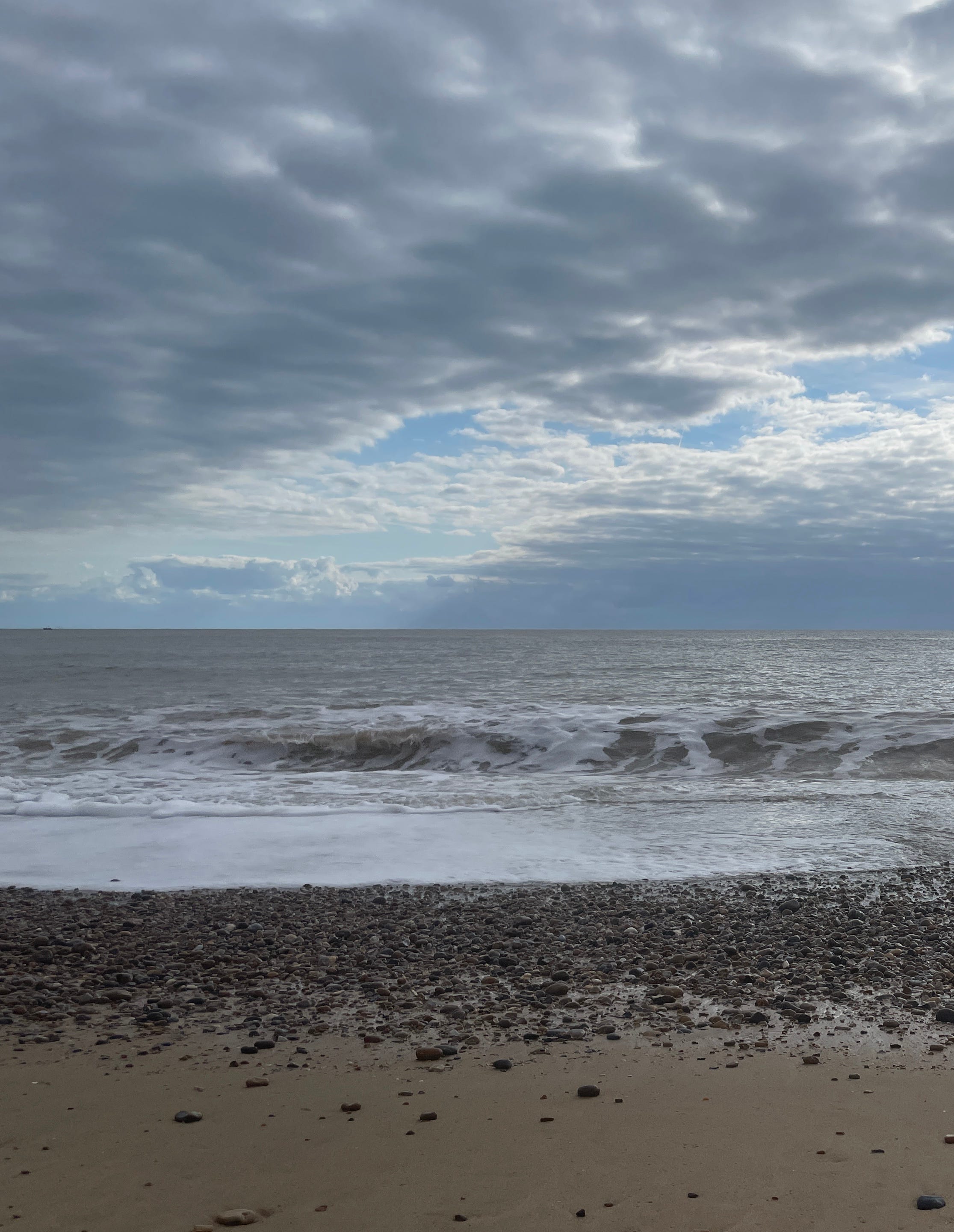
I’ve managed a few sea swims this summer – not always possible given that the North Sea is rarely celebrated for its welcoming temperatures, and I am not one of those people who like to punish themselves. However, this year it warmed up well (mixed feelings about rising sea temperatures, obviously). It should stay like that well into October, so I’m hoping for a few more dips. There have been lots of jellyfish about this year (also due to the warm water); they’re only moon jellies, and harmless, yet somehow, when I brush against one, it does always make me shriek.
I had one slightly nasty moment when I waded in only to be pushed briskly over by a wave and then, as I was struggling to get up, knocked over again, which left me with a grazed and bleeding knee and a purple bruise on my hip. But then, as I was sitting on the shingle feeling spat-out and sorry for myself, a seal swam past looking like a hopeful labrador, as they always do. AND the beach café does vegan Magnums, which is very exciting and very dangerous at the same time.
Sea swims notwithstanding, it’s autumn, and I love it. I’ve put the duvet back on my bed, taken down the bamboo fly screen at the back door for another year and debuted a new pair of sheepskin slippers, cannily bought on sale in June and stashed away until now. And my chimney has been swept, ready for lighting the woodburner (I don’t have central heating). That probably won’t happen until October, but you never know – and anyway, the local sweeps will be all booked up by then.
I’ve been gathering kindling, too, so it’ll be dry and ready to use when I need it. I cannot understand people in rural areas buying kindling, which is expensive and often comes wrapped in plastic, or in nylon nets. The world, at least where I am, has not yet run out of sticks.
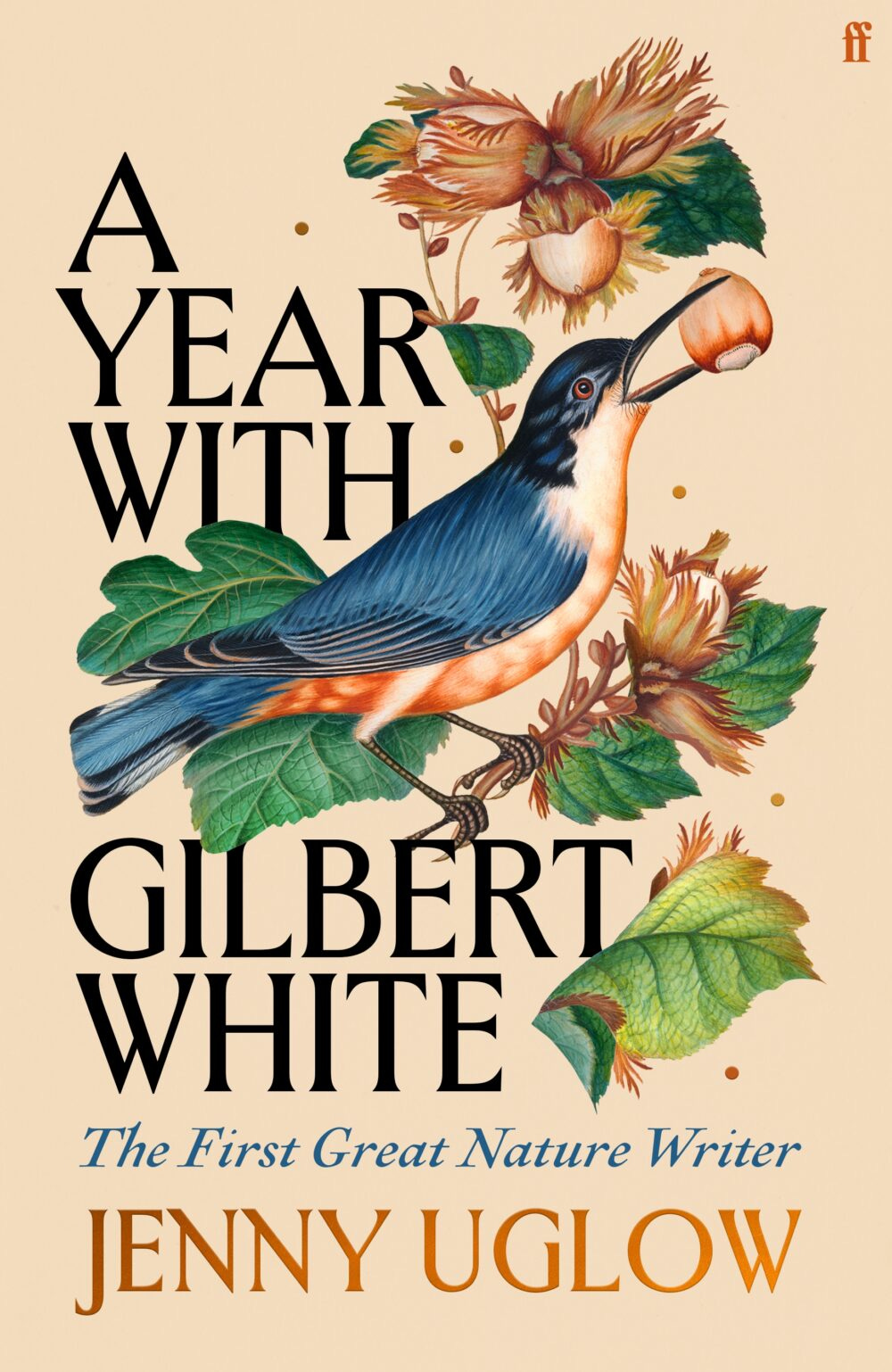
I can’t tell you how much I adored Jenny Uglow’s new book, A Year With Gilbert White: The First Great Nature Writer. I enjoyed Richard Mabey’s 1986 biography, and – as you probably know – I have read and re-read both the Natural History and White’s Journals; in fact, I wondered what another book on the famous parson-naturalist could realistically offer me, given that Gilbert already looms pretty large in my life. What I hadn’t thought possible was that I could come to love him even more.
I have a soft spot for books structured around a calendar year, and this one uses the seasons really cleverly. Although nominally set in 1781, the midpoint of the Natural History’s gestation, it dips around in his journals and letters to include all his main interests, obsessions and preoccupations at their appropriate seasonal times, while also telling – in parallel to the year’s course from January to December – the story of his life. It’s very clever.
But what it does best is make the man real, all 5’3” of him. Endlessly curious, astonishingly patient, thoughtful, energetic, cheerful and philosophical: there he is, anxiously watching the swallows build, checking on his tortoise, Timothy, measuring the water in the well, writing to his niece Molly, and noting down the weather. Uglow shows him enfolded in his loving family, enmeshed in a bustling village and its rural economy, and in correspondence with a wider, changing world; in these pages he is not described, he simply lives once more, buttoning up his waistcoat, shading his eyes from the low winter sun: noticing, marvelling, questioning.
At the end of the book I felt a strange grief, as though someone I had known and loved had gone. And then I planned another visit to Selborne, to walk in his footsteps again.
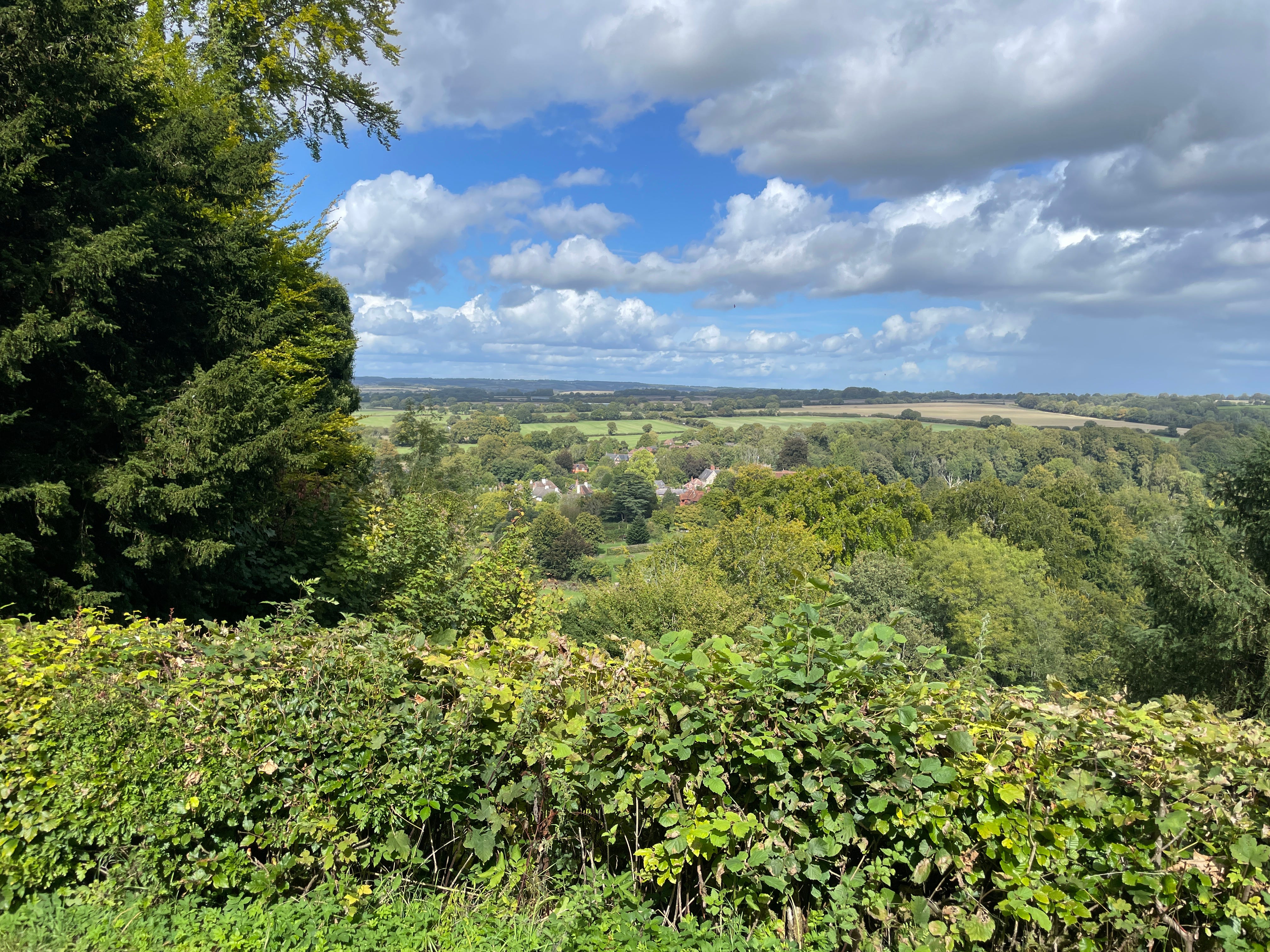
Grief, too, at the news that the wonderful Jonathan Main of Bookseller Crow in Crystal Palace has died. He got right behind me from the very start, when I published Clay, and I loved popping into the shop when I lived in South London, and chatting on the phone after I moved. He was a good man, someone with principles: endlessly diffident but with a dry sense of humour and a proper, bone-deep belief in books.
The website is open for orders or you can phone up to ask for anything that’s not on there. I know Justine, Karen and the team would appreciate it.

Homecoming didn’t win the illustrative category in this year’s Wainwright Prize, but I had a lovely time at the awards ceremony at FarmEd in the Cotswolds. I met Adam Henson from Countryfile and, even more excitingly, my illustrator Amanda Dilworth – we’d only ever been in touch virtually until then. I also met Helen Scales and David Farrier, and caught up with my friends Jules Howard and Ben Hoare – Ben’s book The Secrets of Bees won the Children’s Non-Fiction prize. The overall winner was Chloe Dalton’s Raising Hare, a book I really loved. It feels good when the right book wins.

I’m pleased to say that the re-run of my Countryfile spot, talking about Ronald Blythe, did have the part excised where I said (at their instruction) that he didn’t own a television. Relief! More people seem to have watched it this time than when it first went out, a couple of years ago – going by the neighbours and acquaintances who have stopped me to mention it, anyway.
I wonder if the incapacitating sense of horror that attends seeing oneself on film ever goes away. Making the Stubborn Light podcast stopped me feeling like that about hearing my own voice, which suggests it could dissipate with repeated exposure. Not something I’m planning on, though.
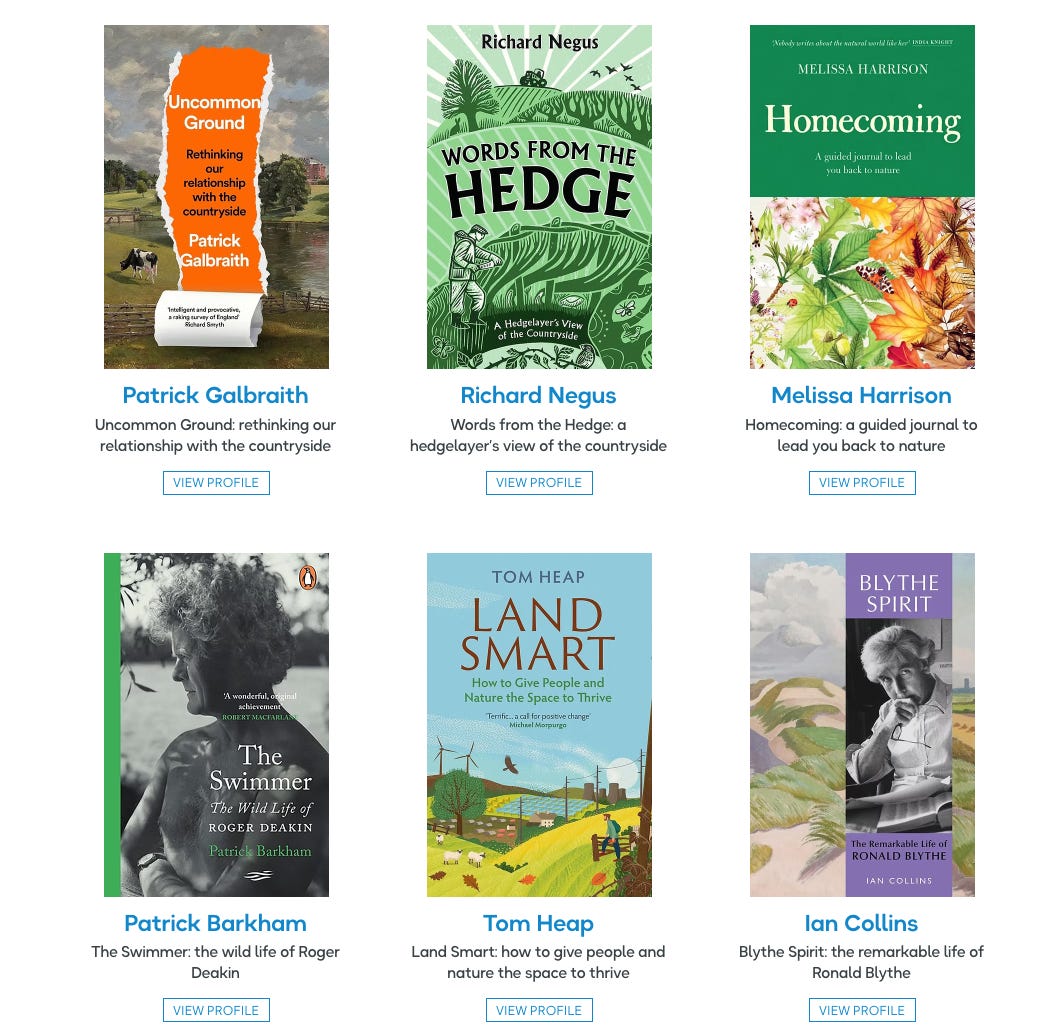
I’ll be at the Leiston Book Festival in a few days, on September 20th, alongside a great line-up of countryside and nature writers. I think some tickets are still available here; they include all six events, plus lunch. How civilised!

Three things that aren’t on screens
Each month I collect together three things that have interested me, for good or ill, and which can be found in the world beyond your phone or laptop:
👉🏼 A nice thing: Secrets of the Thames, the mudlarking exhibition at Museum of London Docklands, is, as I’d hoped, a banger. I used to love fossicking around on the foreshore near Tate Modern, often with my goddaughter, and I still have a stash of common finds such as clay pipe stems and bowls, pigs’ teeth, medieval pottery sherds and ships’ nails. Since then there’s been a crackdown on ordinary folk having a go at larking, which is a shame – but at least you can go and see some of the treasures other people have found. It’s really well curated: the explanatory labels are good, there isn’t too much of each type of thing (nobody needs to see 300 hand-axes, or all the Doves type that’s ever been mudlarked), there’s stuff for kids without it feeling entirely directed at them and the city’s history emerges gradually as you go around. As a way of drawing people to the new museum site I think it’s a smart move. It’s on until March 1st next year.
👉🏼 An interesting thing: Ecotalk is a mobile network that puts its profits into restoring nature. Chris Packham’s on board, which is a good look for them, and coverage is via EE so should be reliable. I’m thinking of switching, but in my (rural) area the main provider is O2 (we have a mast nearby) so I need to do a bit of asking around first to check EE will really work. If you know EE is fine where you are it could be a good thing to do: you can keep your number, they’re promising no price rises and while roaming isn’t free they’re hinting heavily on their socials that it’s about to be. Meaningful Planet are doing something similar, also via EE and with free roaming – but without the flashy Insta ads.
👉🏼 A thing that made me go ‘hmm’: I wish Gilbert White’s house, The Wakes in Selborne, Hampshire, wasn’t shared with the Oates Museum. No shade on Captain Oates or his explorer uncle Frank, obviously, and it was an incredibly generous gesture for Robert Washington Oates to buy the house and pay for it to be converted to a museum. It’s just that I want to go there and think about my beloved Gilbert, and it’s a bit hard when there’s Antarctic memorabilia all over the place. Sorry!
While you’re there: Louis VI, whose upcoming Barbican show was my ‘interesting thing’ for last month, was a guest on Jamz Supernova’s 6 Music show on September 6th. You can listen back here.

That’s it for the first, free part of this issue of Witness Marks. Behind the paywall you’ll find the Village Newsletter, including Ixenford In Peril, trouble at the Easthithe village fair, a new Gate Joke in Comedy Corner, and an update on the naked cyclist (!)
If you don’t want to subscribe but you’d still like to support my various endeavours, you can leave me a tip by going here. Thank you.
As Jon always wrote at the end of his Bookseller Crow emails: keep fighting evil!
